









 Italiano
 English
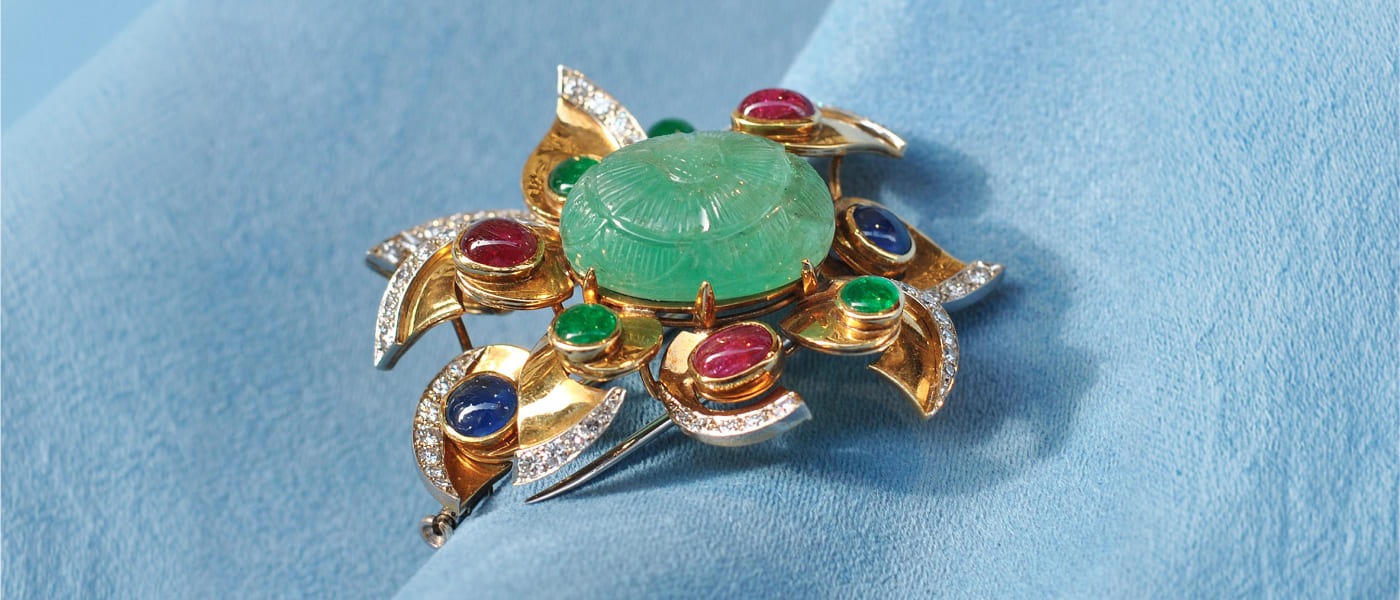
Dear reader, let us explore together the depth of the human desire to adorn oneself. Long before alphabets and calendars existed, humans transformed shells, mother-of-pearl, bones and stones into ornaments charged with meaning, living in the mystery of nature, in harmony with creation, enriching their own image with everything that enchanted and inspired them — illuminating their very being with the light of the immensity of the world.
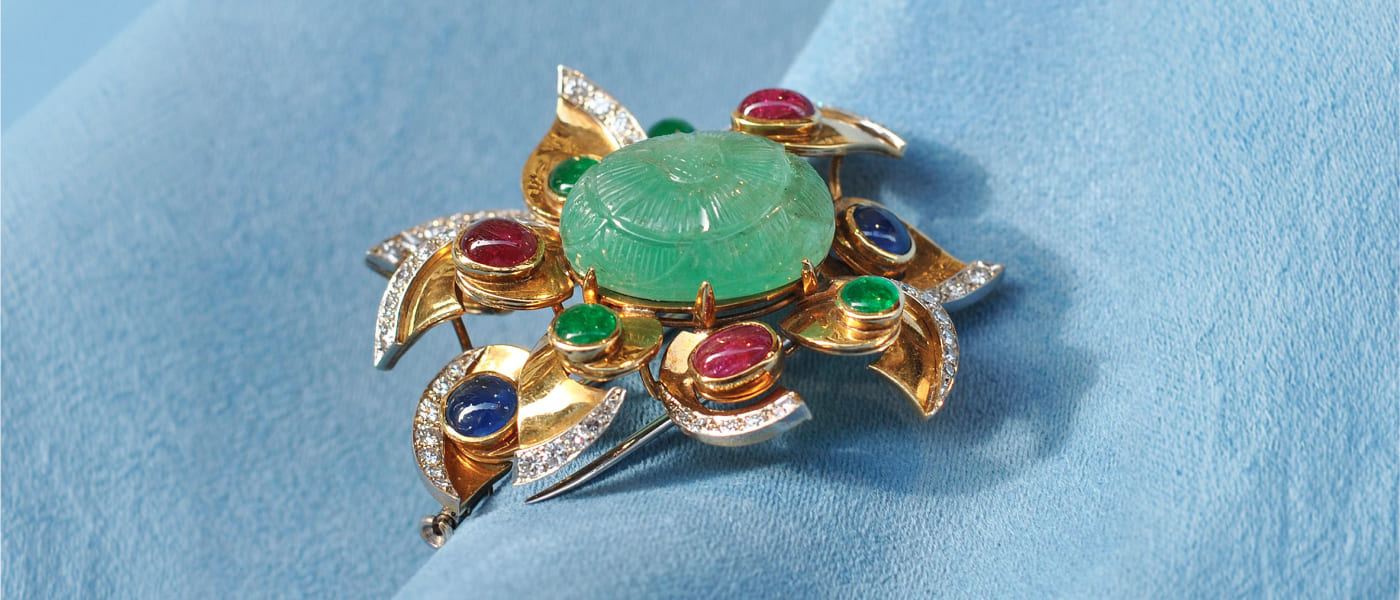
Jewellery as Art: The Millennial Roots of a Universal Knowledge
"Jewellery" is one of the oldest art forms in civilisation, a silent language that spans millennia and speaks of our fragility, our humanity, and helps us understand the history of mankind across territories. In this article, we will explore the jewel in its broadest dimension: as an artistic expression, as the guardian of artisan knowledge handed down through centuries, as a faithful mirror of historical eras, as an instrument of magnificence and an exaltation of feminine beauty. And finally, we will also address its most controversial side: the jewel as a safe haven asset and an investment object.
An Art in the Purest Sense of the Word
To speak of jewellery is to speak of art in the purest sense of the word. The goldsmiths of ancient Egypt crafted necklaces and pectorals of a technical complexity that still astonishes archaeologists today. The Etruscans perfected granulation, a technique that involves applying microscopic gold spheres onto metal surfaces.
The master goldsmiths of the Florentine Renaissance — Benvenuto Cellini above all — elevated the jewel to a pure work of art, on par with a sculpture or a painting.
The goldsmith's art was never a marginal activity in great civilisations: it was central, respected, sought after. In every era and every culture, the jewel artisan held a privileged place in society, because their work touched the most intimate spheres of human existence: the sacred, power, love, vanity. The jewel was and remains a condensation of meaning — matter transformed into symbol.
The Jewel in the Bible
The Bible tells of breastplates and pectorals set with precious stones such as rubies, sapphires and emeralds, because to stand before the Lord, the brilliance of precious jewels helped illuminate our spirituality, so that He might be more pleased by our presence.
Artisan Knowledge: Master Goldsmiths and the Transmission of Craft
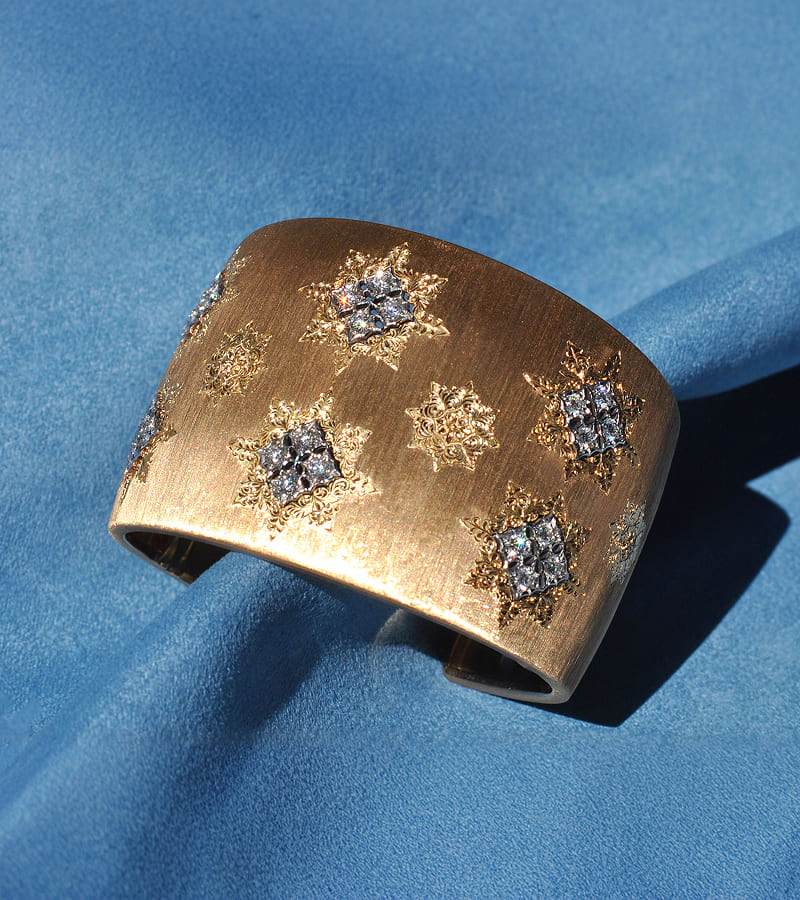
The goldsmith's knowledge is made of gestures repeated thousands of times, of tactile sensitivity, of an eye trained to detect nuances invisible to most. It is a knowledge passed from master to apprentice, from generation to generation, in workshops where time flows at a different pace from the outside world.
The Techniques of the Goldsmith Tradition
The techniques of the goldsmith tradition — chiselling, filigree, lost-wax casting, stone setting, enamelling — are intangible heritage of inestimable value. In Italy, cities such as Valenza, Vicenza, Arezzo and Florence guard this tradition with pride. The Ponte Vecchio in Florence, by decree of the Medici, became in the 16th century the exclusive seat of goldsmith workshops: a tangible sign of the respect reserved for this art.
To preserve this knowledge today means resisting the temptation of industrial homologation. It means recognising that a handmade jewel is not simply a product: it is the result of an intimate dialogue between mind, soul, hand and material. It is an act of authentic creation that no machine could ever replicate.
The Jewel as a Mirror of History: From Art Déco to the Present Day
To observe the evolution of jewellery through the centuries is to read a book of history and humanity; materials, forms, styles and meanings change in parallel with the social, economic and cultural transformations of the eras that produced them.
Art Déco: Revolution and Elegance
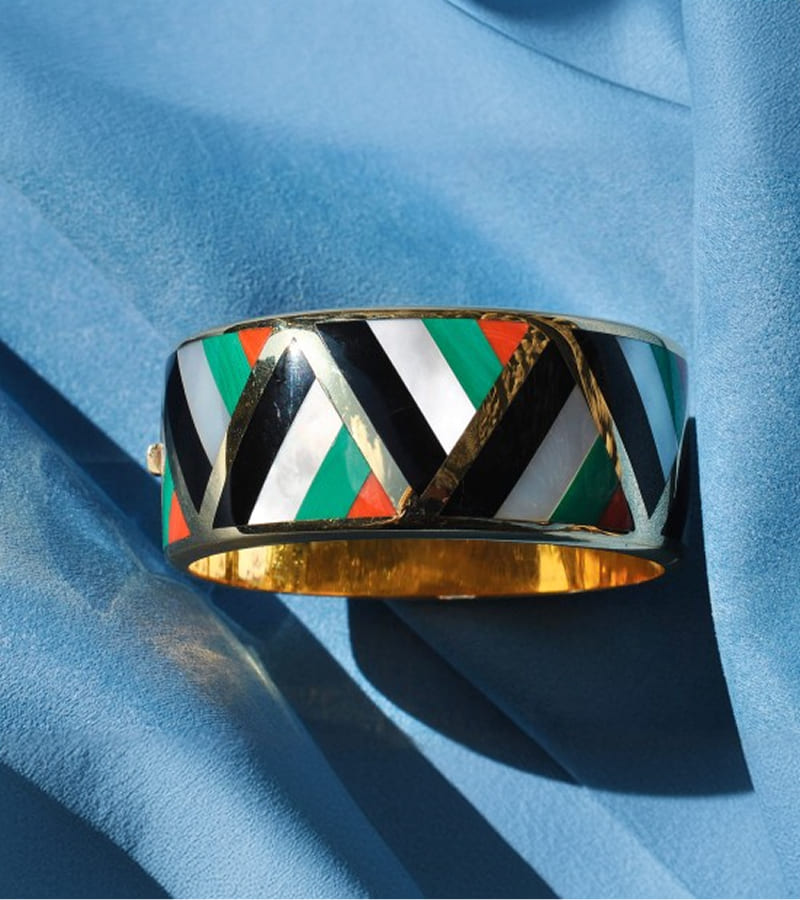
Consider Art Déco, perhaps the most fascinating period for 20th-century jewellery. In the 1920s and 1930s, the world was changing radically. Women were gaining new freedoms, entering the workforce, claiming the right to express themselves through elegance and personal style. Art Déco jewels reflect this revolution: geometric lines, bold symmetries, combinations of platinum, diamonds, onyx and jade. These were jewels designed for women who wanted to shine at evening events, who used adornment as a declaration of independence and personality, yet also of delicacy.
A Cultural Document Across the Ages
But history repeats itself in every era. The Baroque celebrated excess and theatricality in jewels, the Victorian period introduced sentimental jewellery with cameos and lockets, Modernism embraced organic forms and unconventional materials. Every aesthetic movement has left its mark on jewellery, confirming that the jewel is far more than a simple ornament: it is a cultural document, a work of art that encapsulates the spirit of an entire epoch.
Magnificence and Splendour: The Jewel as an Expression of Excellence
A finely crafted jewel possesses a quality that transcends its economic value: magnificence. That light which captures the gaze, that perfection in form which immediately communicates something extraordinary. The jewel, in its essence, is a concentration of beauty: precious material worked with intelligence and sensitivity to reach the highest form of aesthetic expression.
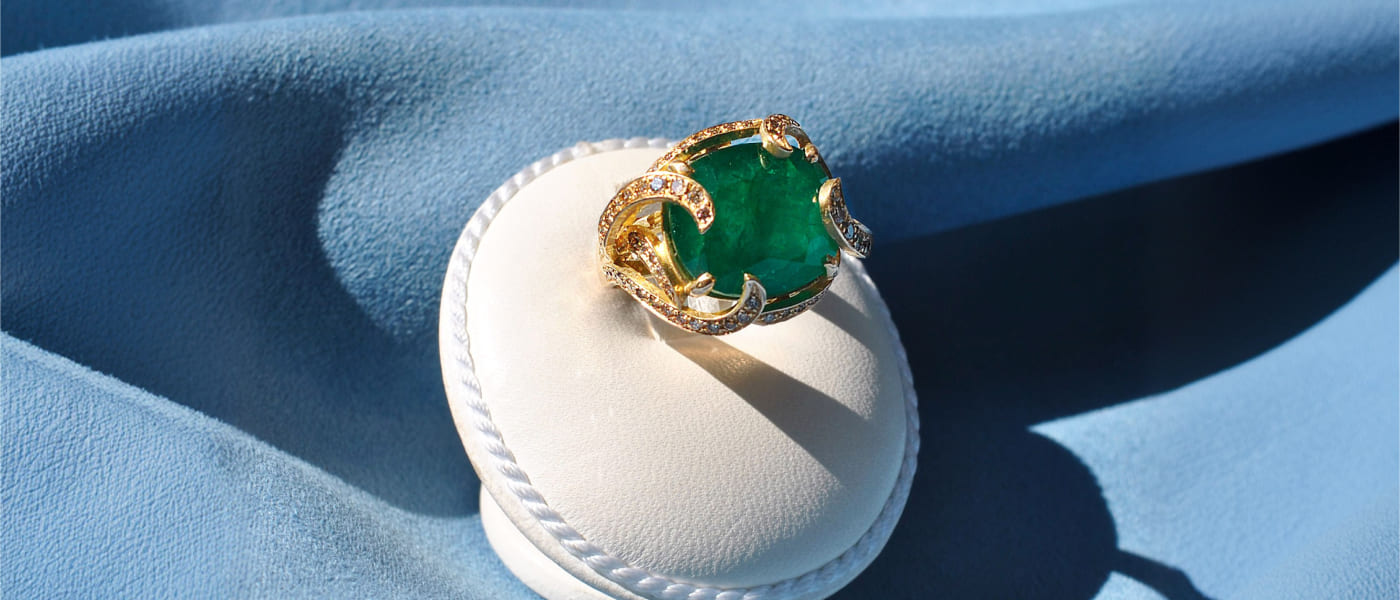
The splendour of a perfectly cut diamond, the depth of a Colombian emerald, the warmth of hand-worked gold: every element contributes to creating something unique and unrepeatable. The jewel does not merely decorate: it elevates. It enhances the beauty of the wearer, transforms an everyday gesture into a moment of grace, and bestows presence and personality.
In great jewellery, every creation is the result of hundreds of hours of work, a meticulous selection of materials, a creative process that unites artistic vision and technical mastery. It is this total dedication that makes an author's jewel something radically different from a mass-produced product: an object that has a soul, a story, an identity of its own.
The Exaltation of the Feminine Figure Through the Jewel
The bond between woman and jewel is as ancient as civilisation itself. But it would be reductive to think of it as a purely decorative relationship. Throughout history, the jewel has been an instrument of feminine identity expression: a way to communicate status, personality, desires and allure.
From Egyptian queens who wore lapis lazuli necklaces as symbols of divine power, to Renaissance noblewomen who displayed parures of pearls and rubies, to modern women who choose a ring or a bracelet as a gesture of self-determination: the jewel has always accompanied and amplified femininity in all its nuances.
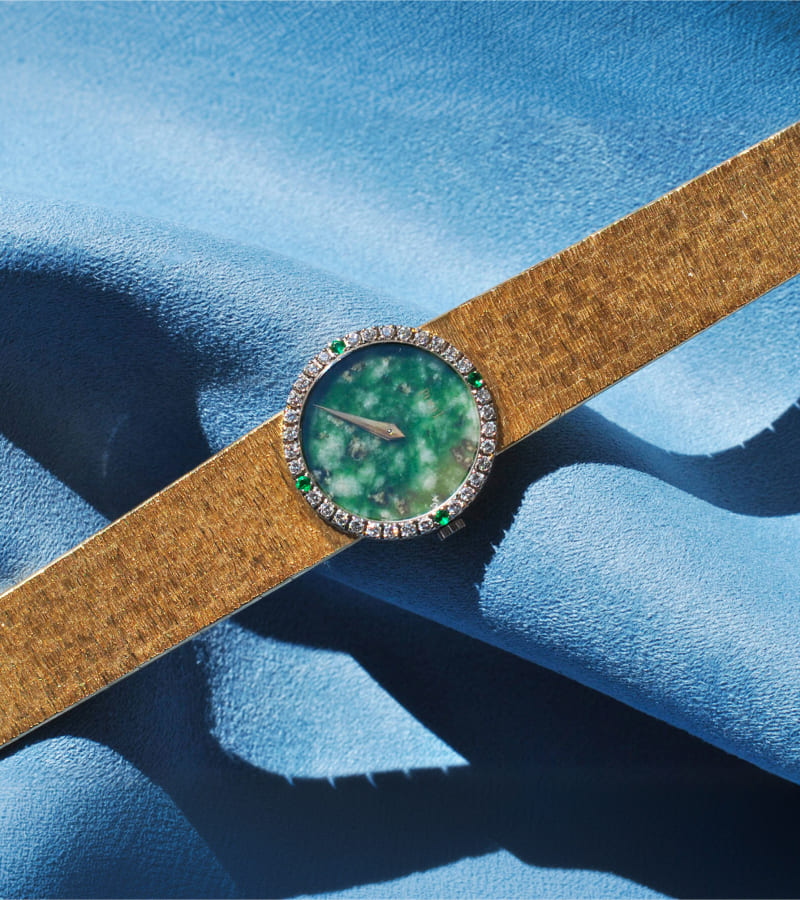
Today we find a great variety of jewels for different times of the day: yellow gold is a solar gold, rose gold is an elegant gold, white gold is a lunar gold. We therefore have a wide selection of jewels to wear at different times and occasions throughout the day.
Beauty is exalted through jewellery, communicating one's present self and offering itself with the same generosity as a smile: it attracts the other like the sun attracts the planets.
The Dark Side: Jewels as Investment and the Influence of Trends
There is, however, another aspect we must consider. In the contemporary world, the jewel has increasingly assumed a function that goes beyond aesthetics and sentiment: that of a safe haven asset. Diamonds, gold, high-quality precious stones are today considered investment instruments on a par with real estate or works of art. In periods of economic uncertainty and financial instability, many investors turn to jewels as a form of capital protection.
This phenomenon is not inherently negative, but it brings with it a significant distortion: when a jewel is valued solely for its potential appreciation, the genuineness of aesthetic choice is lost. Personal taste risks being replaced by market trends, fashions dictated by global brands and influencers take precedence over the individual pursuit of beauty.
International jewellery auctions break records every year, creating a parallel market in which artistic and artisan value becomes confused with speculative value. The great luxury houses fuel this mechanism with limited editions, exclusive collaborations and marketing strategies that transform the jewel into a financial asset before it is even an object of beauty.
The challenge, for those who genuinely love jewellery, is not to lose sight of the essence: a jewel should be chosen for what it represents and for the emotion it evokes, not for its resale value. Authentic beauty does not follow trends: it transcends them.
Rediscovering the Soul of the Jewel
Jewellery, in its highest expression, is far more than a commercial sector. It is a millennial art that guards the knowledge of generations of artisans, a mirror of society's transformations, an instrument of magnificence and personal expression. An authentic jewel tells a story: that of the person who created it, that of the person who wears it, that of the era that produced it.
In a world increasingly oriented towards quantity and speed, rediscovering the value of artisan jewellery means performing an act of awareness. It means choosing quality over quantity, authenticity over conformity, emotion over speculation.
Because a jewel — a true one — is never merely an object: it is a fragment of eternity.
Discover Our Collections
Visit our store at Via Rondinelli 11/r in Florence or explore our online catalogue to discover the creations of the most prestigious master goldsmiths and our collections of fine jewellery.
Discover with us the jewel that tells your story.