









 Italiano
 English
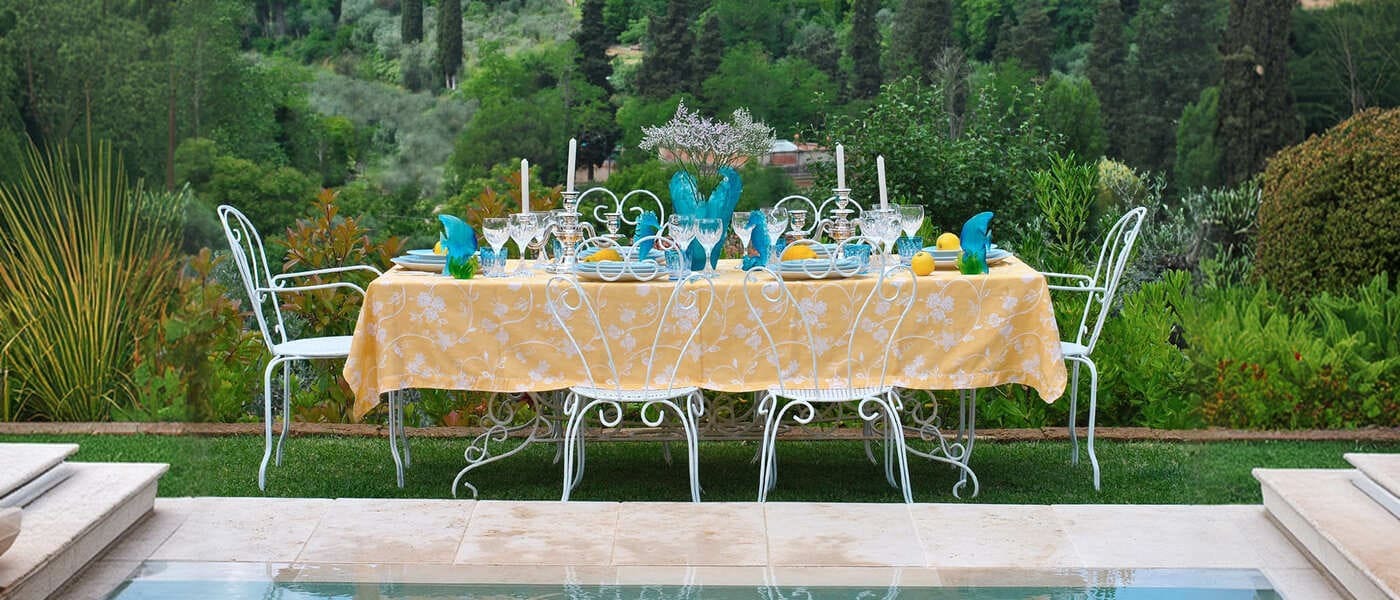
The table is not merely a place to consume meals, but a sacred space where history, culture, and human relationships intertwine. From the great political decisions made in European courts to intimate dinners that strengthen family bonds, the art of setting and preparing a table has always represented a universal language of welcome, refinement, and creativity.
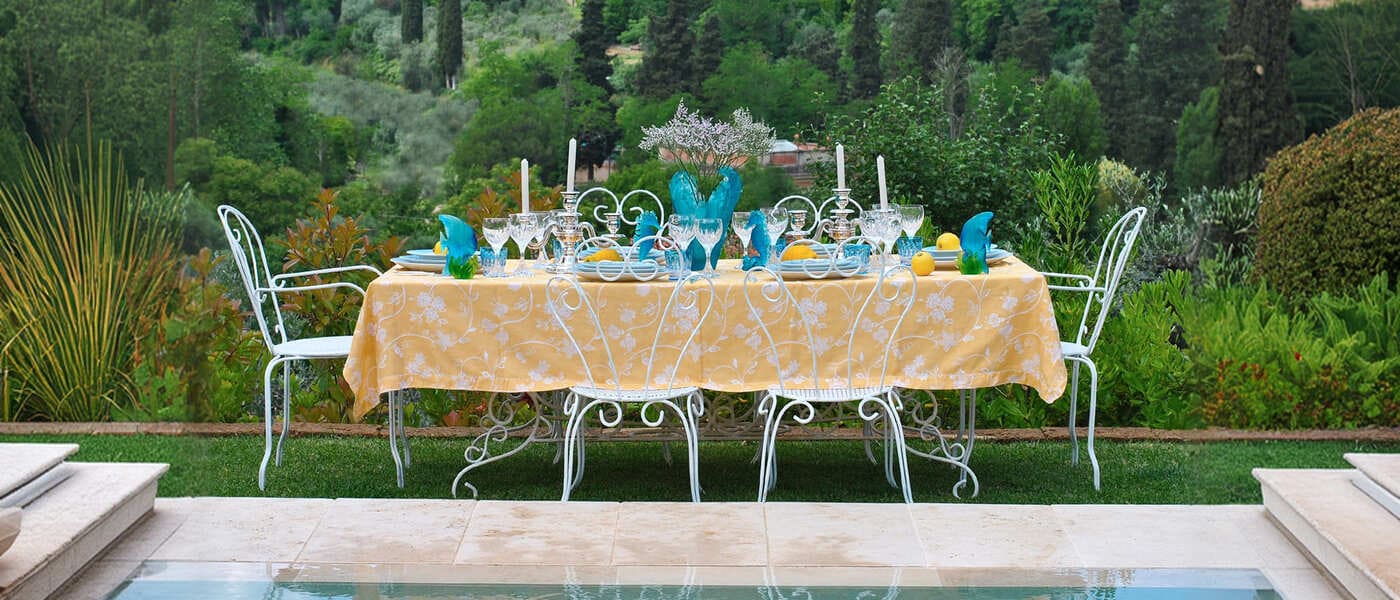
The Table in History: A Place of Power, Dialogue, and Diplomacy
Over the centuries, the most important decisions that shaped the destiny of nations were made around a set table. Royal and aristocratic tables were not just places for nourishment, but true stages of power, where alliances were forged, treaties signed, and political strategies discussed between courses.
Royal Tables: Comparing France and England
The French and English traditions represent the two pillars of Western table art, each with its own peculiarities and codes. At the Court of Versailles, Louis XIV transformed dining into a public ceremonial called the "Grand Couvert," where every gesture was codified and every guest had a precise role in the liturgy of the meal. French etiquette became so sophisticated that it influenced all European courts for centuries.
The English tradition, while maintaining an equally marked formal rigor, was distinguished by a certain understated elegance. Victorian tables were famous for their abundance of specialized cutlery, each dedicated to a specific course, witnessing an era where a formal dinner could consist of up to twelve different courses.
Fun Fact: French Cutlery "Upside Down"
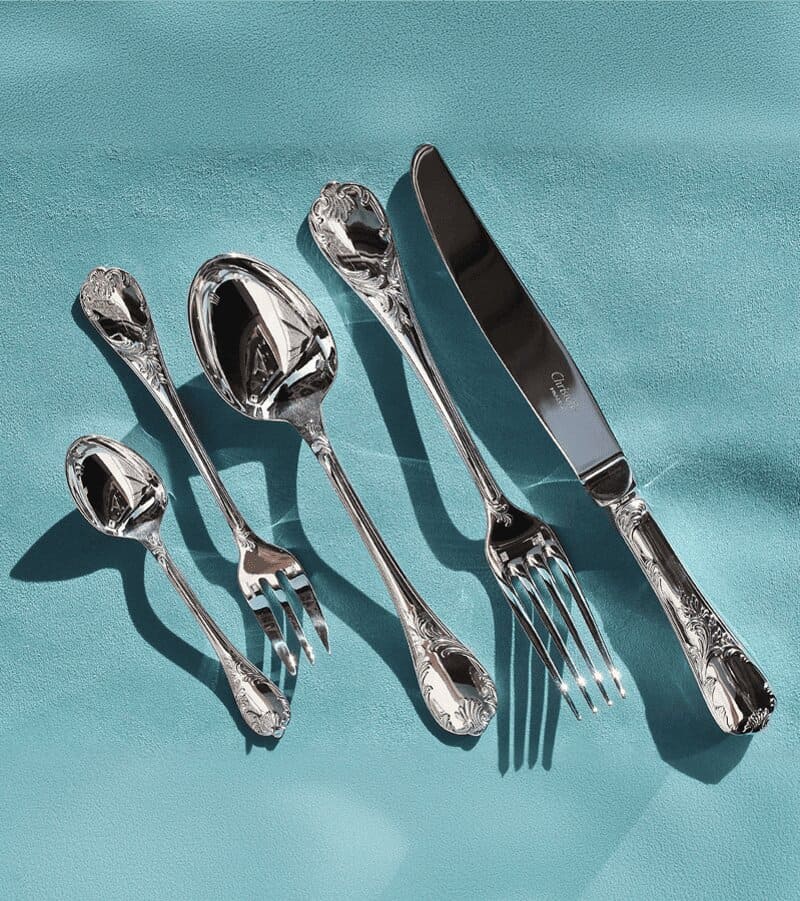
One of the most fascinating peculiarities of the French tradition concerns the positioning of the cutlery. Unlike common usage, in France, forks and spoons are traditionally placed with the tines and bowl facing down, so that the decorations and coats of arms engraved on the back are clearly visible to the guests. This custom, born in noble courts, allowed for the display of precious silverware and family lineage, transforming every piece of cutlery into a small silver heraldic shield.
Rules of Bon Ton: The Foundations of Table Elegance
If creativity represents the soul of the modern table, the rules of etiquette constitute its essential backbone. Knowing and respecting the fundamental principles of table setting does not mean becoming stiff in antiquated formalisms, but rather possessing the tools to create harmony and elegance.
Basic Rules of Formal Table Setting
Plate placement: The base plate (or charger) is placed about 2 centimeters from the edge of the table, perfectly aligned with the chair. The plates for the various courses will be placed on top of it.
Cutlery arrangement: Cutlery is arranged on the sides of the plate according to the order of use, from the outside in. Forks on the left, knives on the right (with the blade facing the plate) and spoons. Dessert cutlery is placed horizontally above the plate, with the handle facing the hand that will use it.
Glassware: Positioned at the top right of the plate, in oblique or triangular order. The water glass is the largest and is placed directly above the tip of the knife, followed by the red and white wine glasses.
The napkin: It is placed in the center of the plate or to its left, folded with elegance. Never tucked into the glass, a gesture considered unrefined.
The bread plate: Located at the top left of the main plate, accompanied by a butter knife placed transversely on the plate itself.
Modern etiquette maintains respect for fundamental rules while allowing greater interpretive freedom. What matters is that every choice is intentional and coherent, creating an overall harmony that puts guests at ease. A formal table should not intimidate, but welcome with discreet elegance.
Precious Objects for a Signature Table: Rediscovering Forgotten Accessories
Beyond the essential elements of table setting, there are refined accessories that testify to a particular attention to the art of the table, and in which we place keen focus.
These objects, often forgotten in modern daily life, represent the bridge between tradition and aesthetic research, transforming every meal into a complete sensory experience.
The Butter Curler: Elegance in Miniature
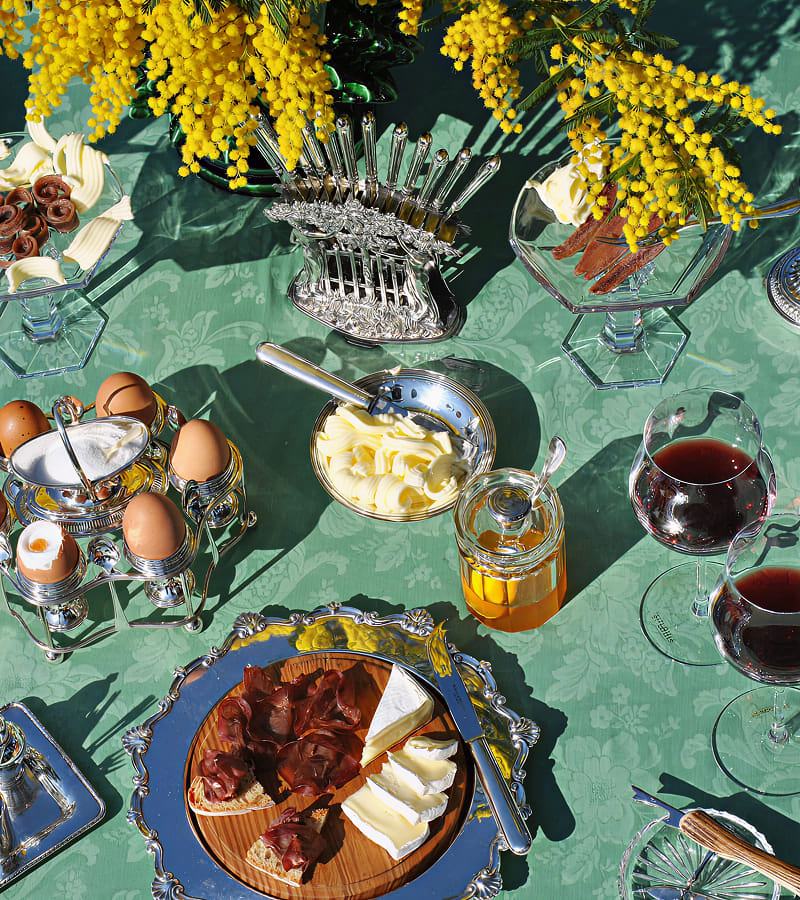
The butter curler is one of those tools that perfectly embodies the philosophy that even the smallest detail deserves attention. This accessory, used to create decorative butter curls, transforms a functional element into a small edible sculpture. Traditionally made of silver or precious metals, it witnesses an era where the presentation of every course was considered an art.
Sauce Boats and Vegetable Dishes: Containers of Tradition
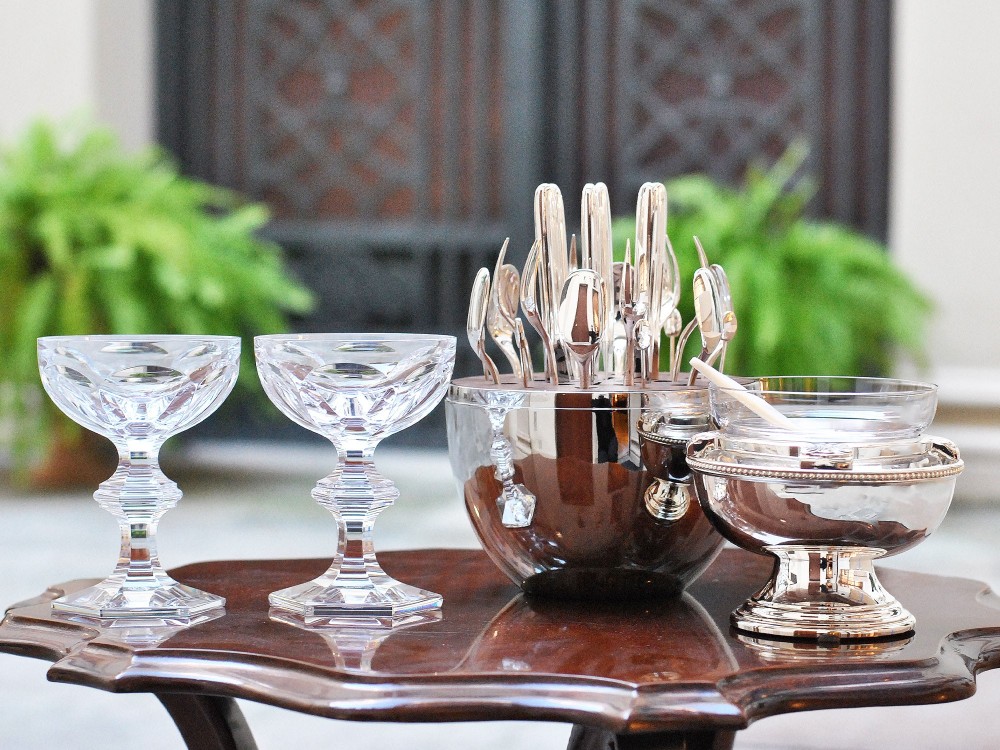
Sauce boats in fine porcelain or crystal are not just simple containers, but true works of functional art. Historic brands like Baccarat, Saint-Louis, and Christofle have created iconic pieces, often passed down from generation to generation. The perfect sauce boat combines practicality (a spout that pours without dripping) and aesthetics (sinuous shapes that dialogue with the rest of the service).
Cruets, Salt Cellars, and the Ritual of Condiments
The oil and vinegar cruets, with their slender shapes and silver or crystal stoppers, represent another example of how functionality can elevate to a decorative object. Salt cellars and pepper grinders, available in infinite variations from classic cut crystal to chased silver, allow for personalizing the table while maintaining a stylistic thread.
Centerpieces and Fruit Bowls: Functional Sculptures
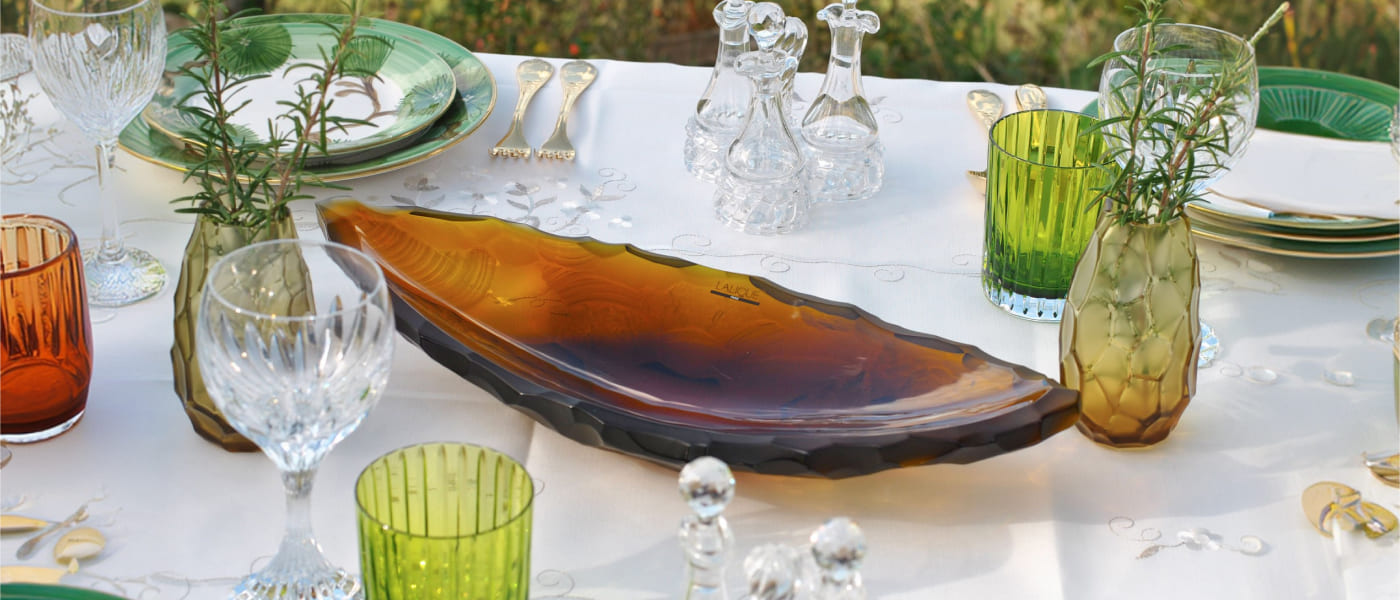
Centerpieces in crystal, silver, or porcelain do not just serve to hold flowers or fruit, but act as the focal point of the entire composition. Lalique's creations, with their organic shapes inspired by nature, or classic antique candelabras, transform the table into a three-dimensional art gallery.
The Creative Table: When Art Meets Conviviality
If the rules of bon ton constitute the grammar of table art, creativity represents its poetry. A well-set table respects fundamental canons, but a memorable table knows how to transform these canons into a personal language, capable of telling a story and evoking emotions.
Beyond Function: Vases, Sculptures, and Art Objects
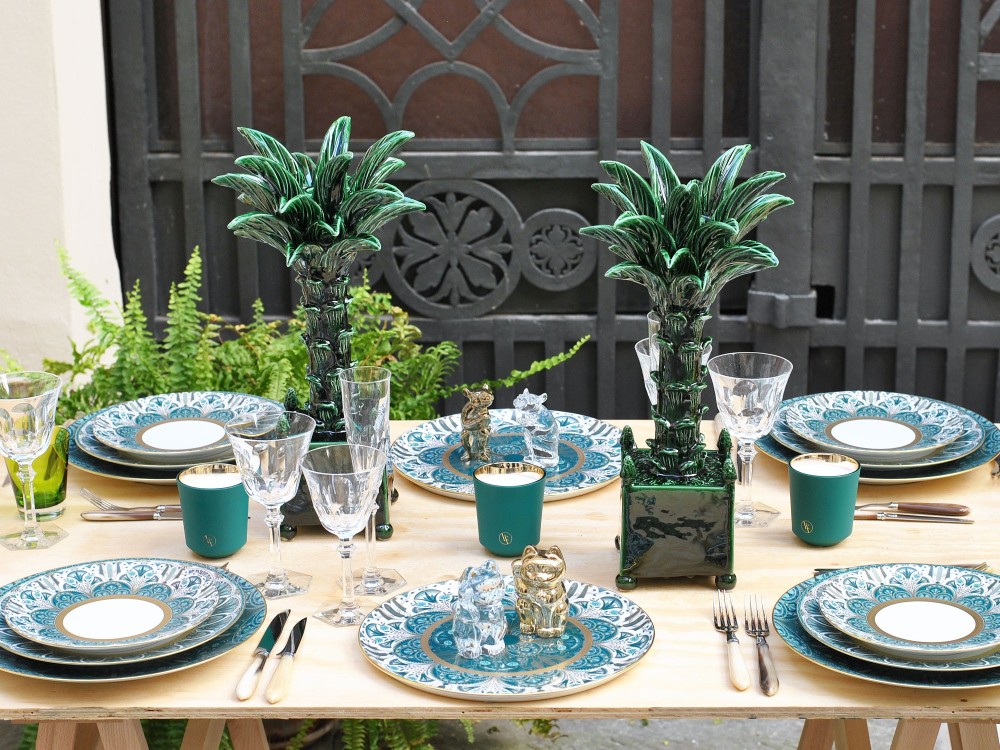
The contemporary table welcomes elements that transcend pure functionality. A blown glass vase with its organic shapes and vibrant colors, a small Daum crystal sculpture, candlesticks with modern lines that dialogue with antique plates: every element contributes to creating a visual narrative. The table thus becomes a temporary art installation, renewed on every occasion while always maintaining a balance between aesthetic coherence and surprise.
The Play of Colors and Textures
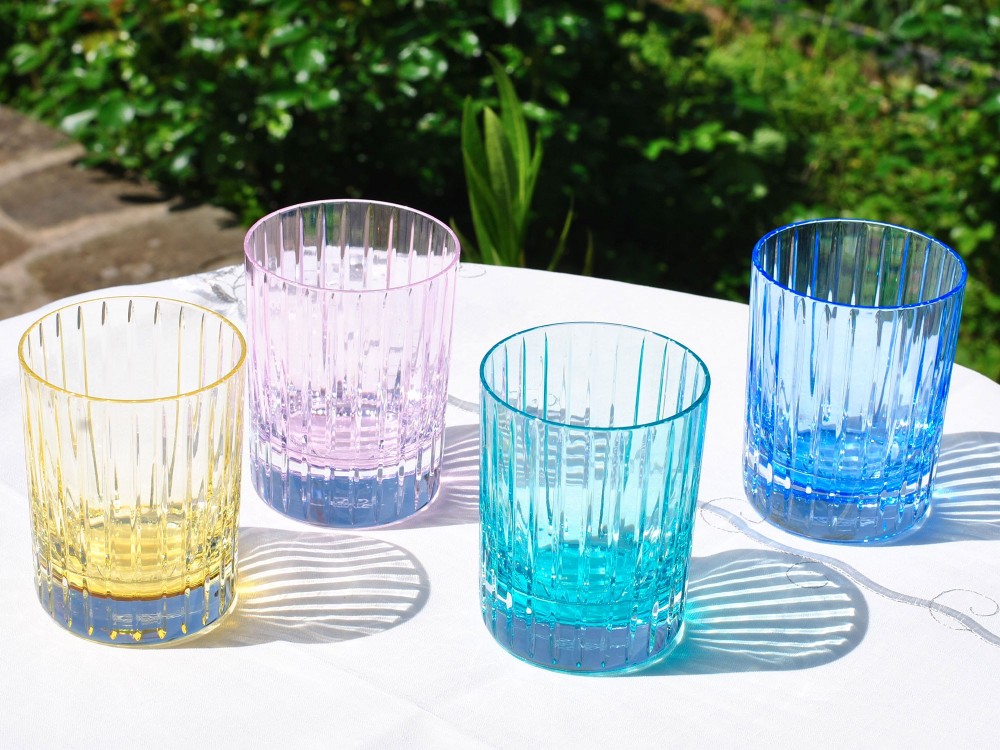
Color combinations are fundamental in creating a signature table. A natural linen tablecloth can serve as a neutral background for colorful plates, or an intense base color can enhance the brilliance of crystal and silver. Textures contribute to sensory richness: the artisanal roughness of Tuscan ceramics alongside the polished perfection of Limoges porcelain, the brilliance of cut crystal in contrast with the satin opacity of blown glass.
Stimulating Dialogue Through Aesthetics
A creatively set table is not only beautiful to look at but also becomes a catalyst for conversation. A particular object, an unexpected pairing, a curious detail: every element can become a talking point, a natural icebreaker that facilitates conviviality. The table is thus transformed into a social tool, where aesthetics serve to create human connections.
The Parenti Philosophy: Mixing Masteries, Creating Identity
Since 1865, Parenti Firenze has represented a benchmark in the art of the table, not as a simple retailer but as a curator of excellence.
Our philosophy is based on the conviction that a signature table is born from the skillful meeting of different creative worlds, from the union of complementary artisanal masteries.
The Art of Mixing: When Brands Dialogue
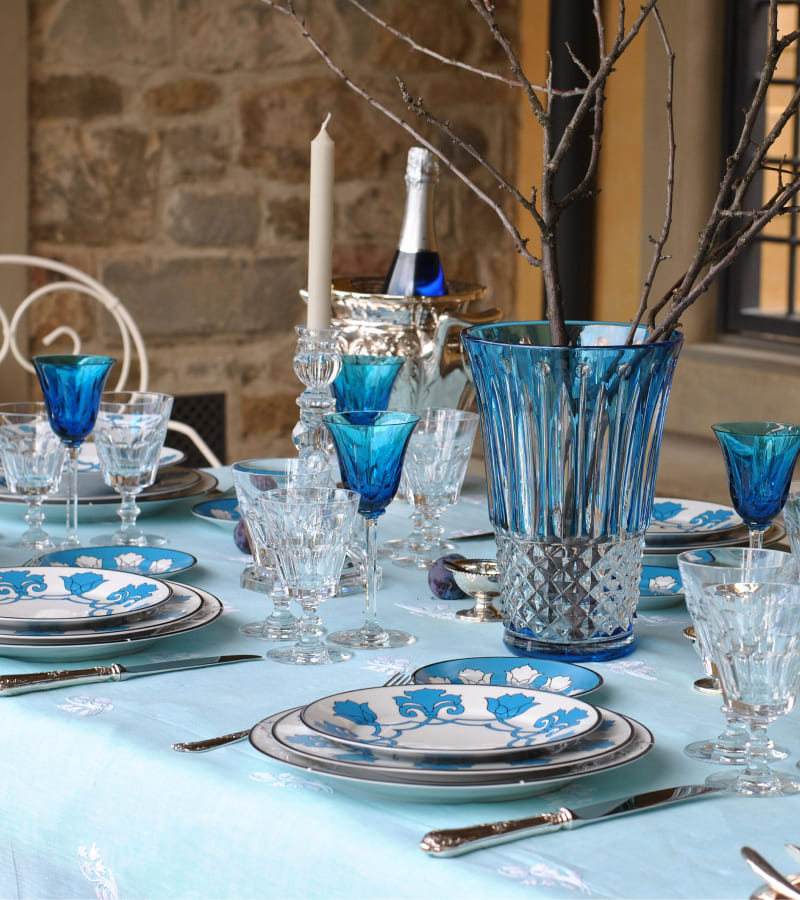
At Parenti, we do not propose complete and uniform sets, but rather teach the art of elegant contamination. A fine porcelain plate can dialogue harmoniously with Christofle cutlery, Baccarat glasses, and a Lalique centerpiece. Every brand carries a story, a manufacturing tradition, a distinctive aesthetic: our role is to orchestrate these elements into a coherent symphony.
Creating Your Identity at the Table
There is no absolute perfect table, but there is the perfect table for you. Our goal is to guide clients in creating a personal identity at the table that reflects tastes, personal history, and aesthetic aspirations. We mix the ancient with the contemporary, decorative opulence with modern minimalism, always respecting a balance that arises from a deep knowledge of every single object.
Tradition and Innovation: The Future of Table Art
While we jealously guard the centuries-old traditions of table art, we also look to the future with curiosity. New designers reinterpret classic forms, innovative materials stand alongside traditional ones, and sustainability becomes a criterion for choice alongside aesthetics. At Parenti, we carefully select these new languages, proposing only what we believe can withstand the test of time, not only in material quality but also in formal elegance.
The Table as a Living Work of Art
The art of the table is a discipline in constant evolution, rooted in history but constantly renewed through the creativity and sensitivity of those who practice it. Knowing the rules means possessing the tools to break them with awareness; respecting tradition does not imply giving up innovation.
A well-set table is much more than the sum of its parts: it is a multisensory experience, an act of generosity toward guests, an expression of personal identity. It is the place where time slows down, where conversations go deeper, and where bonds are strengthened.
At Parenti Firenze, for over 150 years, we have put our experience at the service of those who wish to transform every meal into a memorable moment, every table into a unique work of art. Because true excellence is born from the meeting of artisanal wisdom, aesthetic research, and authentic passion.
Discover Our Collections
Visit our store in Via Rondinelli 11/r in Florence or explore our online catalog to discover creations from the most prestigious table art brands: Baccarat, Christofle, Lalique, Puiforcat, and many others.
Let’s create your signature table together.